
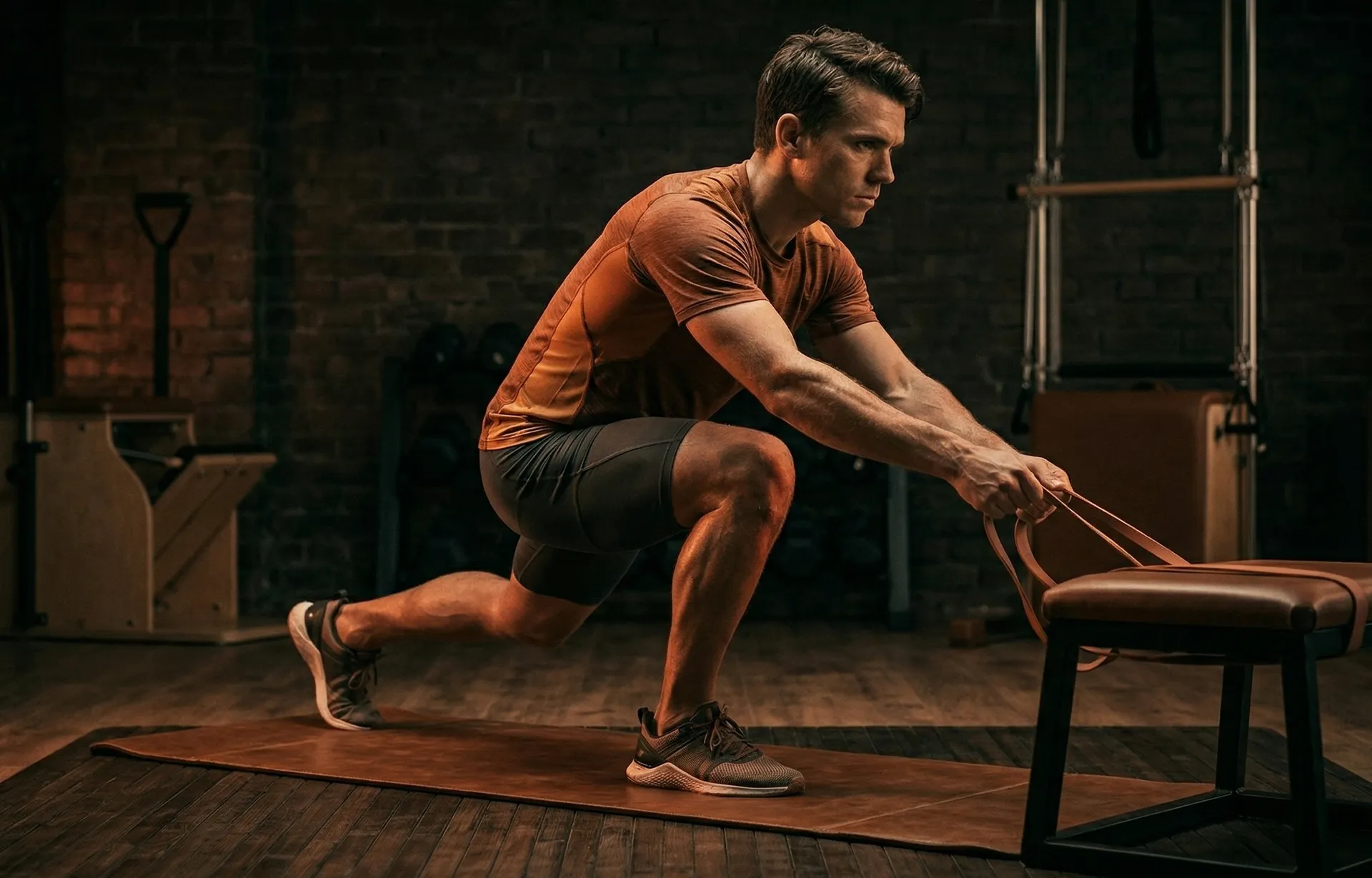
ACL Rehabilitation
Recovering from an ACL injury and unsure what the right next step looks like?
An ACL injury can feel overwhelming. For some people, the question is whether surgery is needed. For others, surgery has already been done and the focus is on getting through rehabilitation properly. Either way, the quality of your rehab plays a major role in how well you recover, how confidently you move, and how safely you return to sport.
Is this you?
You may relate to this if you:
- Have injured your ACL and are unsure what the best next step is
- Are deciding between conservative management and surgery
- Have already had ACL reconstruction and want a clearer rehab plan
- Feel unsure whether your recovery is actually on track
- Want to return to running, gym, sport, or higher-level activity properly
- Do not just want to get through rehab — you want to come back strong and confident
ACL rehab is not just about settling the knee. It is about rebuilding strength, movement quality, confidence, and readiness for the demands you want to return to.
We commonly help with
Conservative or surgical?
Not every ACL injury automatically leads to surgery, and not every person with an ACL tear has the same goals. Surgery is often the right choice when there is repeated instability, high sporting demand, or a goal of returning to pivoting and contact sports. For others, conservative management may be appropriate — particularly when the knee is coping well, instability is limited, and the desired activity level places lower rotational demand on the joint.
The right pathway depends on your symptoms and current stability, your sport and activity goals, your lifestyle and day-to-day demands, any associated injuries such as meniscus or cartilage involvement, and how well the knee responds to early rehabilitation.
Our role is to help you understand both options and guide the decision based on your knee, your goals, and your long-term function.
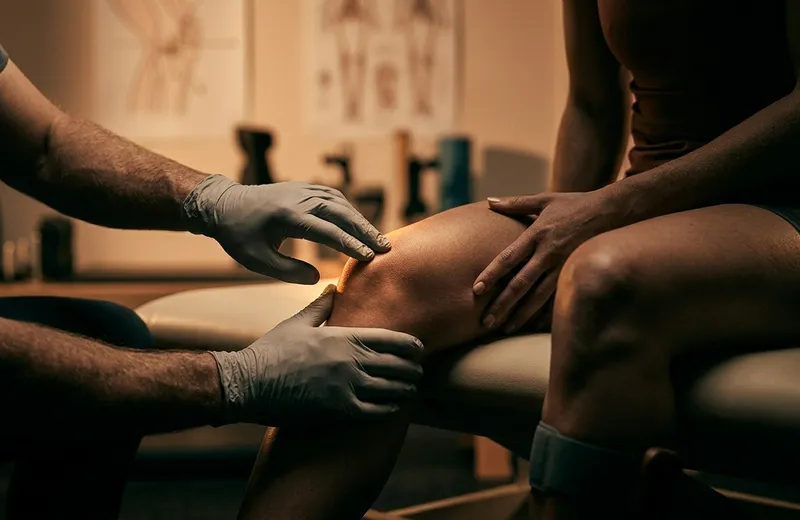
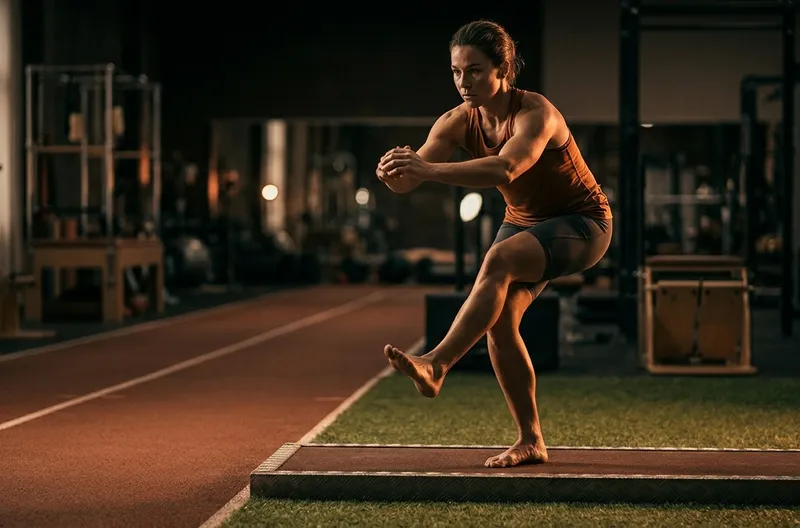
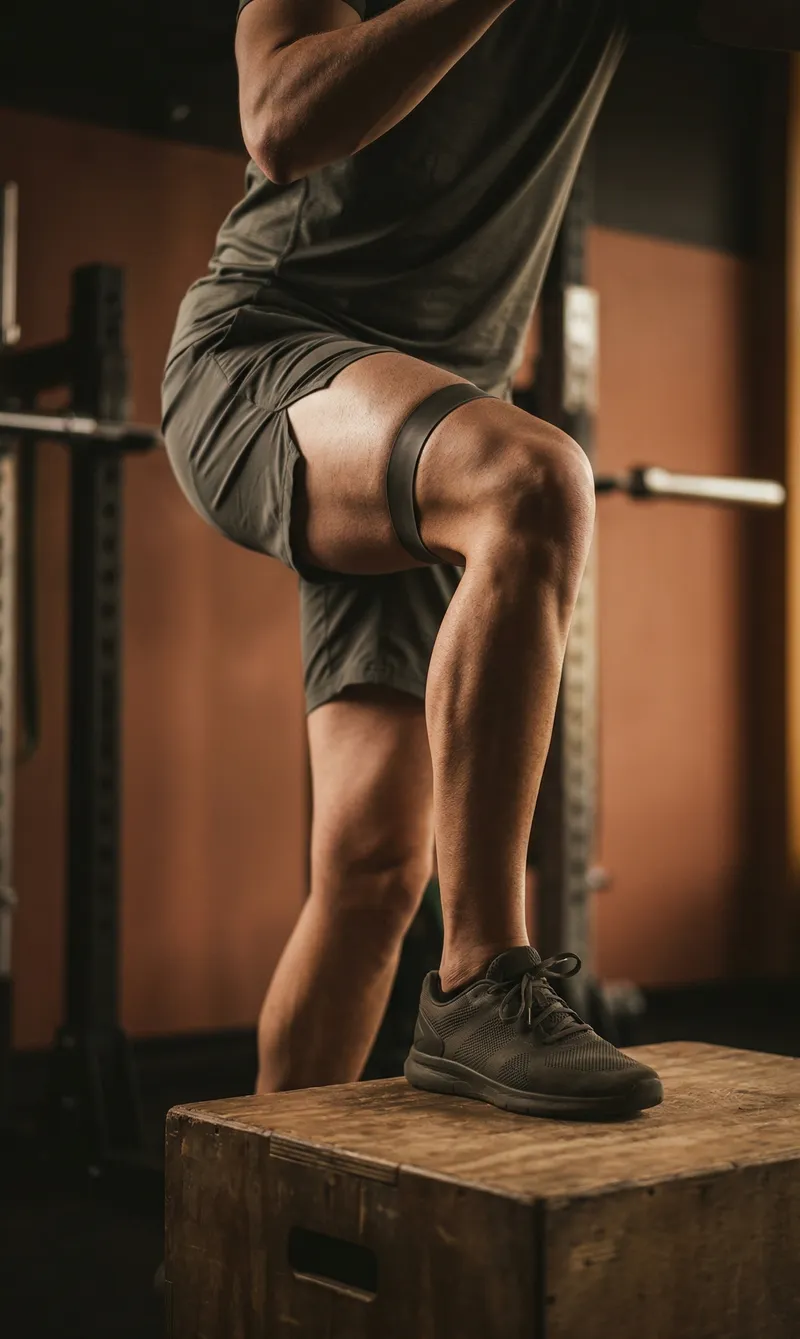
Graft Types
If you have had ACL reconstruction, the type of graft used can influence certain aspects of rehabilitation. While the overall framework remains similar, the graft type affects which areas need closer monitoring.
Patellar Tendon Graft expand_more
Commonly used in athletes returning to high-demand sport. May require more attention to anterior knee pain, kneeling discomfort, and quadriceps loading in the early stages of rehabilitation.
Hamstring Tendon Graft expand_more
Widely used and generally well tolerated, though posterior chain recovery needs close monitoring — particularly in activities that load the knee in a flexed position.
Quadriceps Tendon Graft expand_more
Increasingly common, especially in revision cases. Requires focused attention on quadriceps strength and extensor function throughout the programme.
Allograft expand_more
Used in selected cases. May have different loading and healing considerations depending on the surgery and surgical preference, and is often managed more conservatively in the early phases.
We take the graft type, surgery date, symptoms, healing stage, and return goals into account when progressing your programme. No two reconstructions are the same, and the plan reflects that.
How ACL rehabilitation is structured
ACL rehabilitation should not move forward just because a certain number of weeks have passed. Progression should be based on milestones that show the knee and the body are ready for the next stage.
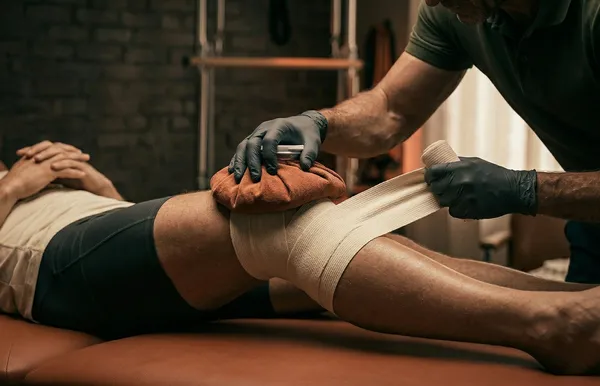
Settle the knee
The early focus is on reducing pain and swelling, restoring range of motion, and waking up the quads. You will feel stiffness, swelling, and some difficulty trusting the knee — that is normal. Progress is marked by near-full extension, improving flexion, a better walking pattern, and returning quad activation.
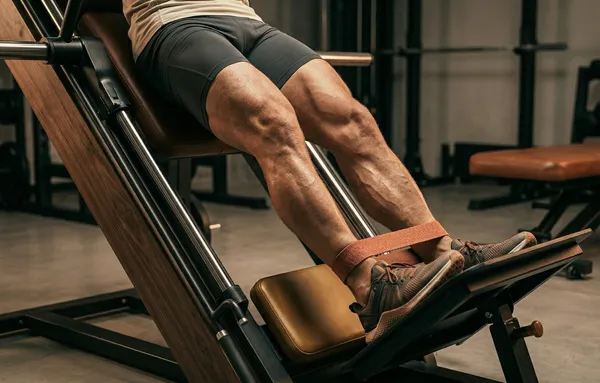
Build strength
Once the knee is settling, the focus shifts to rebuilding strength and control through squats, step work, single-leg loading, and posterior chain work. The knee often feels much better at this stage, but strength deficits are still significant. Progress means good loading tolerance and improving symmetry.
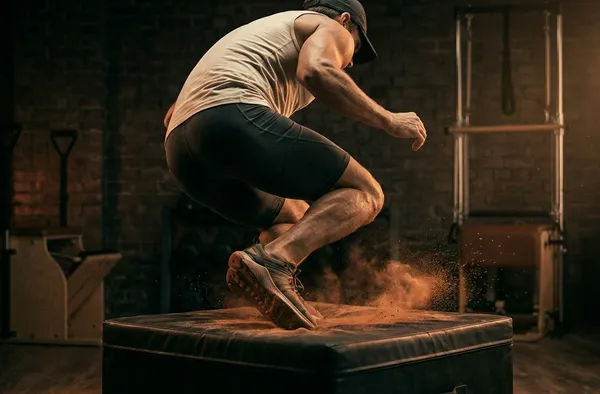
Return to running
As strength improves, rehab progresses into impact and dynamic movement — running progressions, landing drills, and plyometric preparation alongside continued strength work. Confidence builds here, but readiness for unrestricted sport still needs to be earned. Milestones include good running tolerance, improving strength symmetry, and strong single-leg control.
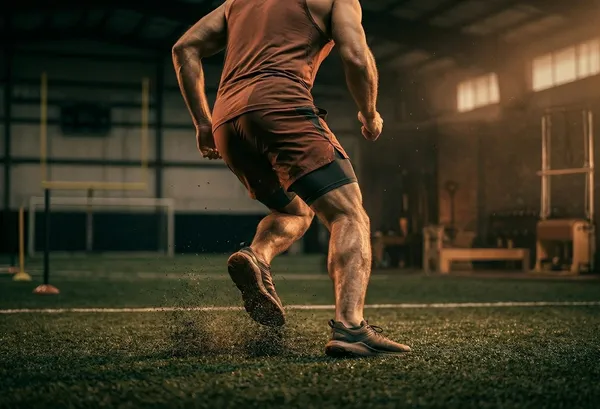
Return to sport
The final phase prepares you for full sport demands — power, plyometrics, cutting, change of direction, and sport-specific drills. You will feel physically stronger here, though trust in the knee sometimes continues to build. Clearance is based on strong testing, good movement quality, and genuine readiness — not just time.
Recover with Clarity and Confidence
ACL rehabilitation should be structured, objective, and individualised. That means a clear phased approach guided by objective testing — not just symptom reduction — with criteria that must be met before progressing to the next stage.
We run you through your rehabilitation in our own facility, with access to a fully equipped gym and track space. Rehab can progress from early-stage loading all the way through to higher-level running and return to sport work, without needing to move between locations or providers.
Our goal is to help you recover with more clarity, more confidence, and a stronger return.
Book an assessment

Frequently Asked Questions
Do I always need surgery for an ACL tear? expand_more
Not always. Some ACL injuries are managed surgically, while others may be managed conservatively. The right decision depends on your symptoms, stability, associated injuries, and the demands you want to return to.
Can I start rehab before surgery? expand_more
Yes. In many cases, prehabilitation before surgery is very useful. Improving swelling, range of motion, strength, and confidence beforehand can help set you up better for recovery after surgery.
How long does ACL rehab take? expand_more
That depends on the individual, the chosen pathway, associated injuries, and the level you want to return to. ACL rehab is usually a longer process and should be guided by milestones, not just time alone.
How do you decide when I can progress? expand_more
We use a combination of symptoms, movement quality, strength, functional performance, and objective testing. Where appropriate, we use VALD strength testing to help guide progression.
Ready to get started?
If you are recovering from an ACL injury and want a structured, evidence-based path back to sport, we are here to help.